Mountain Photography: Capturing Jibhi's Natural Beauty
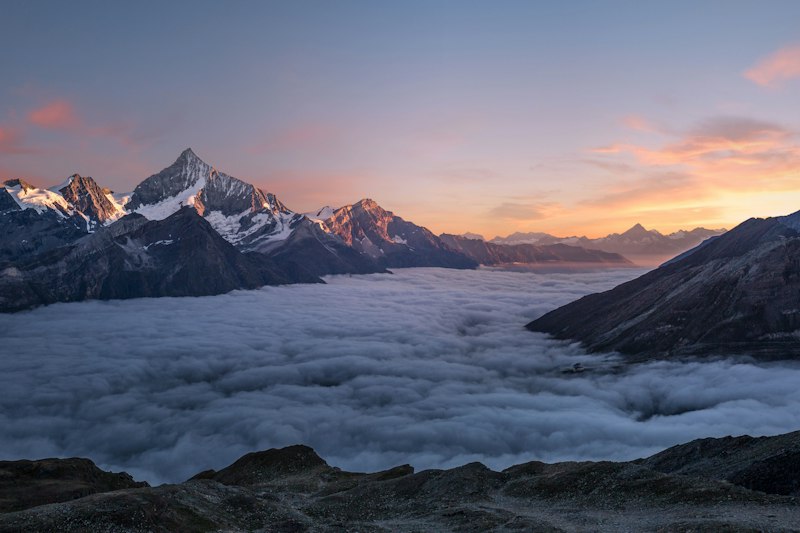
There is a moment — it happens every single morning in Jibhi — when the first light hits the cedar trees on the ridge above the Tirthan River and the entire valley turns a colour that does not have a proper name. Something between gold and amber and the inside of a lantern. If you are a photographer, or even someone with a smartphone and an eye for beauty, that moment is worth waking up for. And Jibhi, it turns out, is one of the most quietly spectacular places in India to practise the art of mountain photography. Here is how to make the most of it.
Understanding the Light: The Golden Hours
Mountain light is nothing like city light. It is harder, cleaner, and it changes with brutal speed. The most dramatic and usable light happens in two windows: the hour after sunrise and the hour before sunset. Photographers call these the golden hours, and in the mountains, they are even more pronounced than at lower altitudes because the sun rises and sets at sharper angles relative to the peaks.
In Jibhi, sunrise happens around 6:30 AM in summer and closer to 7:15 AM in winter. Be up and positioned before the sun clears the eastern ridge. The light will be soft, warm, and directional — perfect for landscapes, texture, and the kind of moody atmosphere that makes mountain photographs feel alive. The same quality returns in the late afternoon, roughly 45 minutes before the sun drops behind the western peaks.
Avoid the middle of the day. Between roughly 10 AM and 3 PM, the overhead sun flattens shadows and washes out colour. Use this time to scout locations, rest, or shoot subjects that benefit from even lighting — close-up details of wildflowers, wooden textures, or portraits.
Composition in Mountain Landscapes
A mountain is magnificent in person. In a photograph, it can look flat and uninteresting if you simply point the camera at it and press the shutter. The secret to a compelling landscape photograph is foreground interest — something in the near field that draws the eye into the frame and gives the viewer a sense of depth and scale.
Around Jibhi, foreground elements are everywhere. The wildflowers that carpet the meadows near Serolsar Lake in summer. The smooth, dark stones of the Tirthan River bed. The gnarled roots of ancient deodar cedar trees. A weathered wooden fence post on the trail to Jalori Pass. These small details, placed in the lower third of your frame, transform a snapshot of a mountain into a photograph that pulls you in.
Leading lines are equally powerful. Rivers, trails, stone walls, and the edges of terraced fields all create natural lines that guide the viewer's eye from one part of the image to another. The road winding up to Jalori Pass is a classic example — photographed from the right angle at the right light, it becomes a visual journey across the frame.
The Best Shooting Locations Around Jibhi
You do not need to trek for days to find extraordinary photographic subjects. Some of the best shots in the valley are within walking distance of the village itself.
- The Tirthan River crossings: Small wooden bridges and stepping-stone crossings near Jibhi offer stunning reflections in the early morning when the water is still.
- Chehni Kothi: The ancient wooden tower is a masterclass in texture and architecture. Shoot it in late afternoon light when the wood glows.
- The meadow before Serolsar Lake: In summer, this is a carpet of colour. The lake itself, on a calm morning, reflects the surrounding peaks with mirror-like clarity.
- Jalori Pass viewpoint: At 10,120 feet, this is one of the highest points you can drive to in the region. The panoramic views are staggering, and the light at this altitude is exceptionally clear.
- The cedar forests along the trail: Shafts of morning light filtering through deodar cedar canopy are among the most photographed and most beautiful subjects in all of Himachal.
Technical Considerations at Altitude
High altitude presents a few technical challenges worth knowing about. The air is thinner and drier, which means less atmospheric haze — colours are more saturated and contrast is higher. This is generally good news for photography, but it also means that overexposure can happen faster than you expect. If you are shooting in manual mode, err on the side of slightly underexposing and recovering highlights in post-processing.
Cold temperatures, especially at dawn and dusk, drain battery life quickly. Carry a spare battery and keep it in an inside pocket close to your body when not in use. If your camera has a weather-sealed body, you are set. If not, be mindful of condensation when moving between cold outside air and warm indoor spaces — let your camera acclimatise in your bag before shooting.
Beyond the Landscape: People and Stories
The most memorable photographs from a place like Jibhi are often not the landscapes at all. They are the people. An elderly woman carrying firewood on her back along a mountain path. Children playing in a village square. A local guide laughing over chai at the end of a trek. These images carry emotion and narrative in a way that even the most stunning mountain view cannot.
Always ask before photographing someone. A smile, a gesture, a word in Hindi or Kullvi goes a long way. Most people in Jibhi are friendly and happy to be photographed — but the act of asking transforms the relationship from extraction to connection, and that almost always shows in the photograph itself.
Staying in Jibhi? Book Direct at Emberwood
Handcrafted mountain cottages from ₹2,500/night — outdoor jacuzzi, rooftop café & Tirthan Valley views. Only 7 rooms.
Check Availability → 📲 WhatsApp UsFrequently Asked Questions
What's the best time of day for mountain photography in Jibhi?
Golden hour — 5:30-6:30 AM for Serolsar Lake mist and 5:00-6:00 PM for Jalori Pass silhouettes. Midday is flat; blue hour (7:00 PM winter) is excellent for long exposures.
Do I need a drone permit in Jibhi?
Yes — India's DGCA Digital Sky rules apply. Avoid flying over temples and military zones (none in Jibhi, but some near Shimla). Keep drones under 400ft and always in line of sight.
What lens is best for Jibhi photography?
A versatile 24-70mm for most shots, 70-200mm for layered-mountain compression, and a wide 14-24mm or phone ultrawide for forest and waterfall scenes.
Where are the best photo spots in Jibhi?
Jibhi waterfall (morning), Chehni Kothi fort (golden hour), Jalori Pass silhouette (sunset), Serolsar Lake (misty dawn), and any cottage balcony facing Tirthan valley.