Jalori Pass: A Driver's Guide to This Spectacular Mountain Road
Jalori Pass sits at 10,120 feet, making it one of the highest motorable passes in Himachal Pradesh that remains open for most of the year. The road to get there — winding up from Jibhi through a succession of hairpin bends, dense forest, and increasingly dramatic views — is one of the great drives in India. It is also, if you are not prepared, one of the more nerve-wracking ones. This guide is for the driver: what to expect on the road, how to handle the conditions safely, and what waits for you at the top.
The Road: What You Are Actually Driving On
The road from Jibhi to Jalori Pass is a state highway, but do not let that label mislead you. It is a single-lane road for most of its length, carved into the mountainside with passing places at irregular intervals. The surface alternates between reasonable tarmac and stretches of gravel or loose stone, particularly after the monsoon when landslides can reshape sections of the road overnight.
The distance from Jibhi to the pass is roughly 15 kilometres, and it will take you between 30 and 45 minutes depending on conditions and traffic. There is very little traffic in the early morning — this is intentional and worth noting. If you want the drive without the stress of oncoming vehicles on narrow bends, leave before 8 AM.
Check Before You Go: Road conditions on the Jalori Pass route change frequently, especially during monsoon (July-August) and early winter (November-December). Ask your accommodation in Jibhi about current conditions the evening before. Local knowledge is more reliable than any app.
Driving Safety: The Essentials
Mountain driving demands a different set of skills than highway driving. The first and most important rule is simple: slow down. There is no rush. The road is narrow, visibility around bends is often zero, and the consequences of an error are severe. Drive in a lower gear than you think you need. Let the engine do the braking on the descents rather than riding the brake pedal, which will overheat and fade on sustained downhill stretches.
- Use first or second gear on steep climbs and descents. Do not rely on brakes alone going downhill.
- Hug the mountain side of the road on narrow stretches. The valley side drops away sharply.
- Honk before blind bends. This is standard practice on mountain roads in India and expected by other drivers.
- Watch for loose stones and gravel. A patch of loose surface on a bend will cause a skid if you are travelling too fast.
- Keep fuel topped up. There are no petrol stations between Jibhi and Banjar on the other side of the pass.
- Carry water and snacks. If you do get stuck behind a landslide clearance operation, it could be an hour or more.
The Viewpoints: Where to Stop
The drive to Jalori Pass is not just a means to an end. The road itself is the experience. There are several natural stopping points where the view opens up and the road flattens enough to park safely.
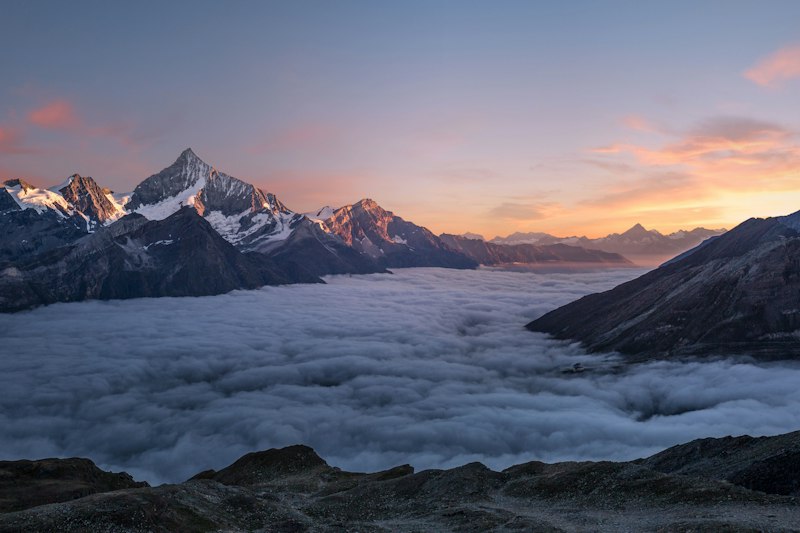
About halfway up, a small clearing on the left offers a sweeping view of the Tirthan River valley below. The river appears as a thin silver thread from this height, and the patchwork of green forests and brown terraces stretches to the horizon. Further on, as the trees thin and the altitude increases, the peaks ahead begin to show snow even in summer. The final approach to the pass itself is the most dramatic — the road crests the ridge and suddenly you are standing on the roof of the world, with nothing but sky and mountains in every direction.
What to Do at the Top
Jalori Pass is not just a point on a map to tick off. There is genuine time to spend here. The pass itself has a small temple, a chai stall or two, and the kind of raw, windswept beauty that makes you want to stand still and simply look.
From the pass, you can trek to Sarri Lake — a stunning alpine lake about two kilometres away on a well-marked trail. The walk takes roughly an hour each way and is suitable for most fitness levels. The lake sits in a natural bowl surrounded by meadows, and on a clear day the reflections of the surrounding peaks make the water look like liquid glass.
If you have the time and the inclination, the road continues over the pass and down the other side toward Banjar in the Sainj valley. This is a less-travelled stretch and arguably more beautiful than the Jibhi side. The forests here are older and denser, the villages quieter, and the road — while rougher — rewards patience with views that most tourists never see.
Timing Your Visit
Jalori Pass is best visited between May and October. Before May, the road may be partially snow-covered. After October, early snowfalls and fog make driving unpredictable. The absolute sweet spot is September, when the monsoon is ending, the air is washed clean, visibility is extraordinary, and the meadows around the pass are still green and blooming.
Staying in Jibhi? Book Direct at Emberwood
Handcrafted mountain cottages from ₹2,500/night — outdoor jacuzzi, rooftop café & Tirthan Valley views. Only 7 rooms.
Check Availability → 📲 WhatsApp UsFrequently Asked Questions
Is the Jalori Pass road motorable year-round?
No. Jalori Pass (3,120m) typically closes from late December to early March due to heavy snow. The road is best between April and November.
Can a regular hatchback make Jalori Pass?
Yes in dry conditions. Use low gear on steep sections, watch for blind turns, and carry water. After rain or first snow, SUV/4x4 is strongly recommended.
How long does Jibhi to Jalori Pass take?
About 1 hour to cover 12 km — the road is narrow with 20+ hairpin bends. Add 30 minutes at the top for chai and photos at Jalori Mata temple.
Where can I get fuel near Jalori Pass?
Last petrol pump is at Banjar (10 km before the climb starts). Fill up there. No fuel at the pass itself.