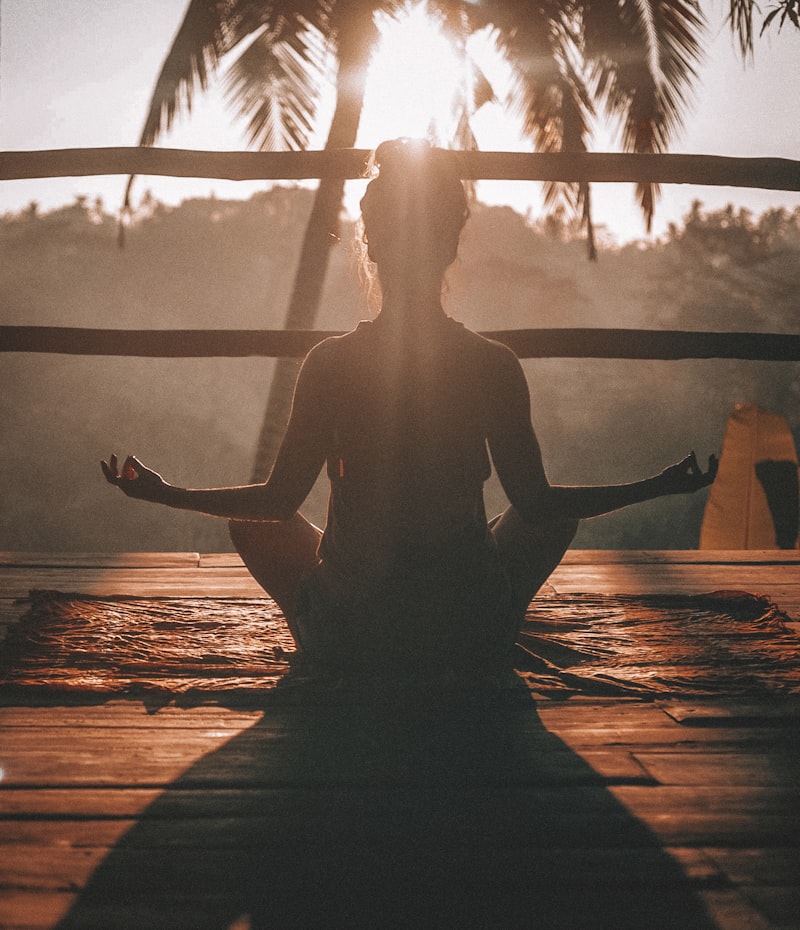
Yoga & Meditation: Finding Inner Peace in the Mountains
There is a silence in Jibhi that you cannot manufacture. It is not the absence of sound — the river is always moving, birds are always calling, and the wind through the cedar trees produces a sound like distant breathing. It is rather the absence of noise. Of the relentless, grinding, background hum of human civilisation that you have been living inside without realising it. When that noise disappears, something shifts in the body. The nervous system quiets. The breath slows. And suddenly, practices like yoga and meditation that might have felt like discipline or obligation in a city apartment become something else entirely — they become effortless, natural, almost inevitable.
Why Mountains Change the Practice
The relationship between altitude and mindfulness is well-documented in yogic tradition and increasingly supported by modern science. At 8,000 feet, the air is thinner. Your body works slightly harder to oxygenate itself. This means that breathing — the foundation of both yoga and meditation — becomes something you are acutely aware of. You cannot sleepwalk through a pranayama session at altitude the way you might in an air-conditioned studio in Delhi. The mountain forces you to pay attention.
The sensory environment amplifies this effect. When you sit in meditation facing the peaks above Jibhi, your visual field is dominated by rock, snow, and sky. There are no advertisements, no screens, no competing stimuli. The mind has less to cling to, and so it begins, gradually, to let go. Experienced meditators report that their practice deepens significantly within even two or three days of being in a mountain environment like this.
A Note on Altitude and Breathing: If you are new to practising at altitude, ease into pranayama exercises. The thinner air means you may become lightheaded more quickly than you expect. Start with simple breath awareness — inhale for four counts, exhale for four counts — and build from there over the course of a few days.
Finding Your Spot: Where to Practice Around Jibhi
One of the great luxuries of practising yoga or meditation in the mountains is the abundance of space. You do not need a studio. You need a flat surface, a view, and a few minutes of uninterrupted time.
- The riverbank: Find a flat stretch of the Tirthan River where the water runs calm. Sit facing the water. The sound alone is a meditation in itself.
- The meadows near Serolsar Lake: In summer, these open grasslands offer extraordinary stillness and a 360-degree view of peaks. Early morning is best, before the day hikers arrive.
- A clearing in the cedar forest: The deodar forests around Jibhi are ancient and deeply quiet. Walking slowly through them — a practice known as forest bathing or shinrin-yoku — is itself a form of moving meditation.
- Your own balcony or window: If the weather is cold or you prefer privacy, even a small balcony overlooking the valley is enough. The view does the work.
A Simple Mountain Morning Routine
You do not need to be an advanced practitioner to benefit from a mountain wellness routine. Here is a simple sequence that works beautifully in the Jibhi environment and takes about 30 to 45 minutes.
Wake with the light (15 minutes): Before you reach for your phone, sit up in bed or step outside. Watch the sunrise. Notice the colour of the sky as it shifts. This is not formal meditation — it is simply paying attention. Let the morning come to you.
Breathwork (10 minutes): Sit comfortably, spine upright. Close your eyes. Breathe naturally for two minutes, simply noticing the rhythm of your breath. Then extend the exhale: inhale for four counts, exhale for six. Do this for eight minutes. The extended exhale activates the parasympathetic nervous system and is particularly powerful at altitude where oxygen efficiency matters.
Gentle movement (15 minutes): Sun salutations are the obvious choice, but even a series of simple stretches — cat-cow, child's pose, mountain pose — done slowly and with attention to breath, will wake the body without exhausting it. Move at the speed of the mountain, not the speed of the city.
Meditation for Beginners: The Mountain Method
If formal meditation intimidates you, try this approach that the mountain environment makes remarkably accessible. Sit outdoors, facing a view of the peaks or the river. Set a timer for ten minutes. Close your eyes and simply listen. Do not try to control your thoughts or achieve any particular state. Just listen to what is there — the water, the wind, the birds, your own breathing. When a thought arises, notice it, and return your attention to listening. That is it. That is the practice.
Most people who try this find that ten minutes passes faster than expected, and that they feel noticeably different afterward. The mountains do the heavy lifting. Your job is simply to show up and be still.
Sustaining the Practice After You Leave
The challenge, of course, is taking what you have found in the mountains back into the noise of ordinary life. The trick is not to try to recreate the mountain silence at home — you cannot. Instead, carry the awareness. The quality of attention you practised on the riverbank or in the cedar forest is portable. It does not require a view of Jalori Pass. It requires only that you remember, in the middle of your busy day, to pause, breathe, and listen.
Staying in Jibhi? Book Direct at Emberwood
Handcrafted mountain cottages from ₹2,500/night — outdoor jacuzzi, rooftop café & Tirthan Valley views. Only 7 rooms.
Check Availability → 📲 WhatsApp UsFrequently Asked Questions
Are there yoga retreats in Jibhi?
A few boutique retreats run week-long programs in Tirthan Valley. For more structured retreats, Dharamshala and Rishikesh are better established — but Jibhi wins on silence and forest setting.
Is Jibhi good for self-guided meditation?
Exceptional. Early mornings at Jibhi waterfall, dawn at Serolsar Lake, or a cottage balcony at 6 AM — the sound profile is birdsong + river, nothing else.
What's the altitude effect on yoga in Jibhi?
Jibhi at 1,600m has mild thin-air effect — asanas feel slightly harder for the first 24 hours. Hydrate more and avoid intense pranayama on day one.
Can Emberwood arrange private yoga sessions?
Yes — local instructors can be booked with 24 hours notice. WhatsApp +91 78760 08508 to arrange sunrise sessions on the rooftop or forest clearings nearby.